Building Schools of the Mind – Why Books Matter for Africa’s Future

Q: What is Building Schools of the Mind about?
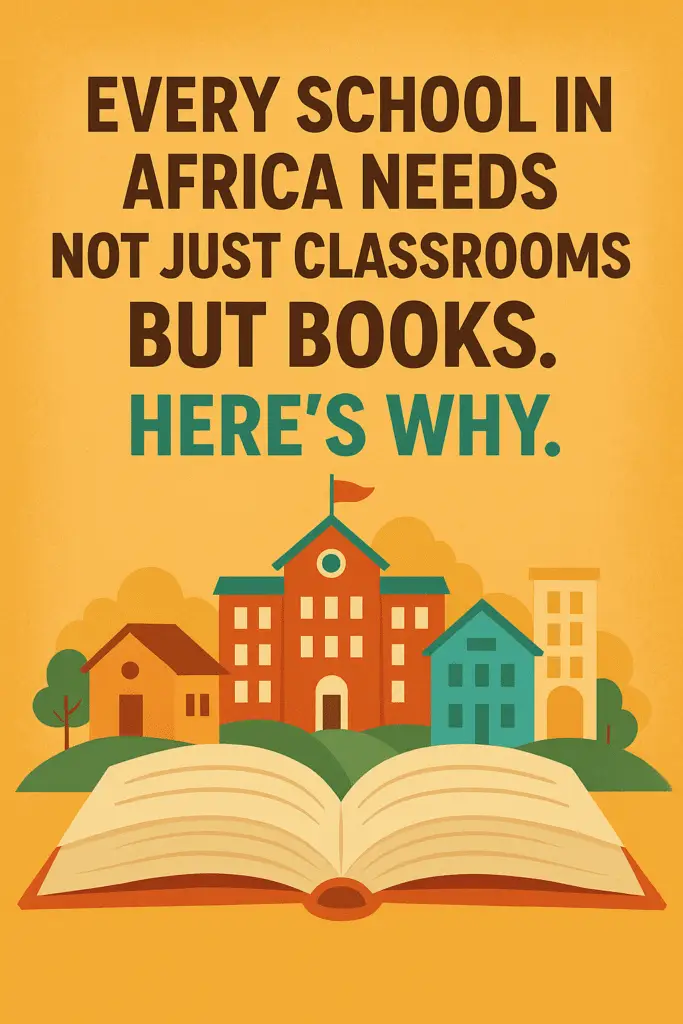
A: This essay-book by Arinze Achebe explores how books shape human potential, societies, and nations. It argues that every school in Africa needs not just classrooms but books — because books are the real “schools of the mind.”
Q: Why focus on books instead of just building more classrooms?
A: Classrooms provide space, but books provide knowledge. A classroom without books is like a body without a soul. Books allow students to learn independently, cultivate critical thinking, and connect to the wider world.
Q: How can books drive Africa’s development?
A: Books are more than information — they are catalysts for innovation, literacy, and nation-building. When children and adults have access to libraries, they gain the tools to solve local problems, engage in global conversations, and fuel sustainable progress.
Q: What barriers prevent Africans from accessing books today?
A: Some key challenges include poverty, lack of libraries, poor distribution networks, and the dominance of imported materials that don’t reflect African realities. Overcoming these barriers requires local publishing, digital solutions, and strong community support.
Q: What role do libraries play in this vision?
A: Libraries democratize access to knowledge. They serve as learning hubs, safe spaces, and bridges between schools and communities. The book makes the case that investing in libraries has a greater long-term impact than just expanding classroom walls.
Q: How does the RINZNA Library Project fit into this?
A: The RINZNA Library Project is a movement to build and stock libraries across Africa, starting in Côte d’Ivoire. It’s not just about bookshelves — it’s about creating environments where reading, research, and imagination can flourish.
Q: And what about Connect Africa?
A: Connect Africa complements the library vision by ensuring every African is digitally connected, well sheltered, well nourished, and well clothed. Together, these initiatives aim to empower Africa “one life at a time.”
Q: Who should read this book?
A: Educators, policy makers, NGOs, students, and anyone passionate about Africa’s future. It’s short, accessible, and designed to spark conversation and action.
Q: Where can readers get a copy?
A: Building Schools of the Mind: The Role of Books in African Development is available at rinzna.com/books and will soon be listed on Amazon in both Kindle and paperback editions.
📖 Join the Movement: After reading, share your thoughts and answer this question: Which African country should RINZNA build its next library in after Côte d’Ivoire?
